
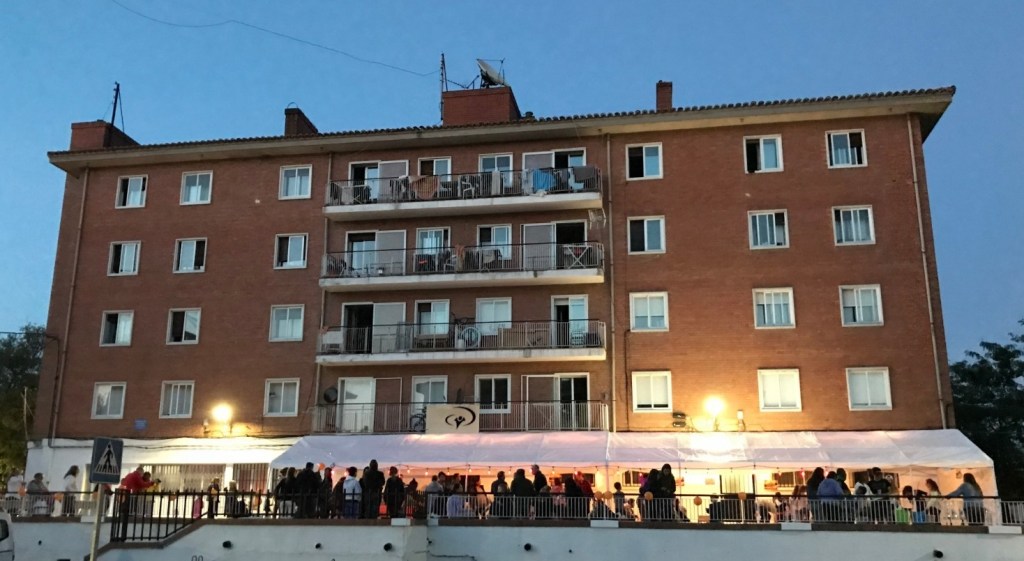
During the annual celebration of our NGO, I was paraphrasing some of the words of our Lord Jesus Christ, “Love your neighbour as yourself and create safer neighbourhoods.” “I never saw it that way and didn’t realize it until now”, said one mother. This Spanish mother brings her 9-year-old boy to the English classes that we offer as a service to the community and she plans to attend our English classes for adults. I replied, “In the welfare and peace of my neighbour and neighbourhood rests the peace and security of my own family”.
When people look for a house to rent or purchase, they often check on the neighbourhood first to see what kind of neighbourhood it is. And often the priority is a safe neighbourhood. We can give the best education, work hard to provide for the needs of our family and to provide a safe environment for our children, but if the neighbourhood, town, city or even the country does not value the welfare and security of its people, then we aren’t safe either. We and the government will have to spend a large portion of our budgets on security instead of health, education, transportation, etc.
The perpetual nature of insecurity will push people to look for a safer environment. We can observe this tendency as one of the main causes behind the growing refugee crises we are facing in our time. My wife and I got to know a couple from Venezuela during a Christmas programme at our children’s school. These are highly qualified people with degrees in medicine who had good jobs, but they had to leave their country because of the political and social situation there. The man said, “Jitu, I left everything behind, and I came to Spain and now I’m working in a restaurant as a waiter because I wanted my son to be safe and grow up in a safer environment”.
My family lives in a middle-class neighbourhood of Torrejón de Ardoz; this means our neighbours do not have material needs. But just stopping to say hello and asking about their health or even about their pets has initiated great conversations and then you realize that they are very warm people.
We also have many immigrant families living in our neighbourhood, who often are slow to integrate and are hard-working. I realize that the media has such an influence on us that we tend to form an opinion about our immigrant neighbours from what we see in the media and on TV reports. But when we reach out to them, we will realize the misconceptions we had. Our Moroccan neighbours feel safe leaving their kids with us if they need to go out for some work; they send their kids to our English class and other children’s activities during the week. This year they invited us as a family to celebrate the birthday of their 11-year-old son. We were the only family that was invited, and the rest were the boy’s four classmates. When we care, people open their homes to us.
As I care for my neighbours and reach out to them, it also makes me open my world up to them. They see who I am, what values I practice, how I treat my wife, my children and others. They realize we really love this nation and care for its people.
It’s easy to love our neighbours if we are walking in the freedom that Christ has brought to us, because we build our identity on what God says about us rather than on what others say. Who I am in Christ makes me free to love. Love is an attribute that flourishes in the environment of freedom; if we are selfish, we are incapable of love.
Is this teaching of the Lord Jesus a religious command so that we get “favour from God” or “get saved” and get into heaven? I believe it is much more than that. The application of these words of Jesus leads us to create safer neighbourhoods, safer cities, safer countries and promote culture of peace.
The world is suffering because of the lack of application of Biblical Christianity.
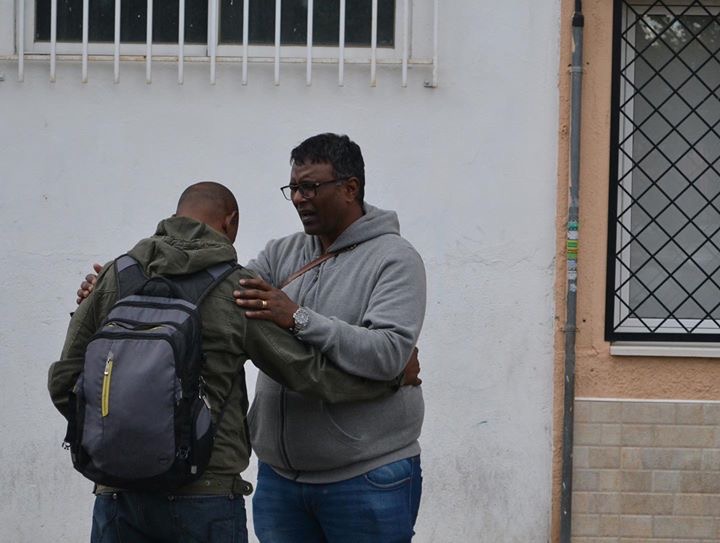
 Familia Dongardive